
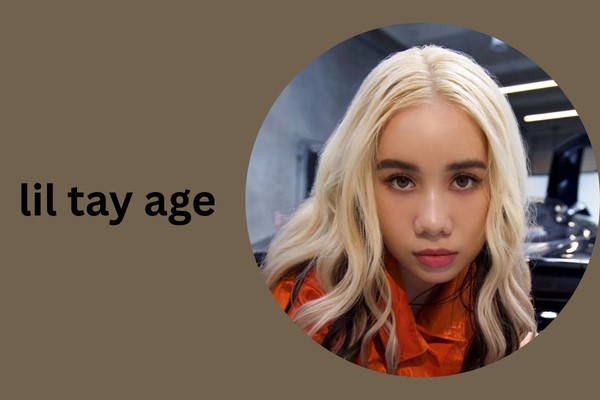
Introduction: Lil Tay Age
Lil Tay is one of the most talked-about young internet personalities of the modern era, and much of that fame has always been tied to her age. From the moment she burst onto the scene as a child rapper and social media provocateur, her age became a defining part of her public identity. In this article, we’ll explore every aspect of Lil Tay’s age, how it shaped her rise to fame and controversy, how it intersected with her career and personal life, and how it continues to figure into her story today. This is a comprehensive profile that covers her early years, the social media explosion that made her a household name, the backlash and questions about her upbringing, and how her age has continued to influence public perception of her.
Table of Contents
Lil Tay Wiki Bio
| Full Name | Claire Eileen Qi Hope |
|---|---|
| Stage Name | Lil Tay |
| Also Known As | Tay Tian |
| Date of Birth | July 29, 2007 |
| Age | 18 years old (as of 2026) |
| Birthplace | Vancouver, British Columbia, Canada |
| Nationality | Canadian |
| Ethnicity | Asian (Chinese descent) |
| Profession | Internet Personality, Rapper, Social Media Influencer |
| Years Active | 2018 – present |
| Famous For | Viral social media videos, bold online persona |
| Genres | Hip hop, Trap |
| Debut Year | 2018 |
| Known Platforms | Instagram, YouTube |
| Marital Status | Unmarried |
| Boyfriend | Not publicly known |
| Education | Attended school in Canada (details private) |
| Religion | Not publicly disclosed |
| Zodiac Sign | Leo |
| Current Residence | Canada (reported) |
Who Is Lil Tay?
To understand the importance of Lil Tay’s age, it’s essential to first understand who she is. Lil Tay, born Claire Eileen Qi Hope on July 29, 2007, became an internet sensation at an extremely young age. Her identity was often presented with swagger, bold language, rapid video edits, and a persona that claimed wealth and success far beyond what most children her age experience. From early on, part of what made her intriguing to the public was the stark contrast between her childhood age and the adult-like bravado she displayed online.
At the time of her breakout, she was only around nine or ten years old—an age when most children are just beginning to explore hobbies and school activities, not building large online followings. Because of that, questions about her age, upbringing, and the influences around her quickly went viral.
Early Life and Birth
Claire Eileen Qi Hope was born in July 2007. Her birthdate means that she entered the public eye as a pre-teen, which is a rare age for someone to gain fame on their own terms online in such a bold way. The fact that she was so young made her presence in the social media world both fascinating and controversial.
Her early life before fame was largely private, and for many, that early period became a topic of speculation once she went viral. Unlike typical child stars who begin training in music or performance at early ages with structured support, Lil Tay’s rise seemed unplanned and unconventional, further fueling interest in her age and background.
How Lil Tay Became Famous
Lil Tay first gained widespread attention around 2018, when short clips of her speaking directly into the camera, with stacks of cash and luxury cars in the background, started circulating across social media platforms. These videos featured her using strong language, making bold claims about wealth and success, and presenting herself with an attitude that seemed far beyond her actual years.
Because she was only around nine to ten years old, her age was a part of every conversation about her content. Many viewers were amazed, confused, or uncomfortable seeing someone so young using adult language and making statements about materialism that most adults might not even make.
The juxtaposition of her age and her behavior made her videos go viral quickly. People were drawn to the shock value, the perceived authenticity, and the novelty of a child acting like a rap star. That viral spread propelled her into global attention almost overnight.
Age and Public Perception
Lil Tay’s age was central to how the public perceived her. Until then, most internet fame stories about young people involved talent—such as singing, dancing, or gaming. Lil Tay’s fame was different; it was built on persona, attitude, and shock value.
Many people were fascinated. Others were disturbed. Critics questioned whether a child that young should be posting the content she was posting. Parents and child advocates raised concerns about exploitation, digital exposure, and the influence of adults behind the scenes.
Some people praised her confidence and charisma, seeing her as a bold young personality with the potential for artistic expression. Others saw her as a symbol of the internet’s ability to push children into fame before they understand the consequences.
Questions About Who Was Really in Charge
Because Lil Tay’s age was so young, many wondered who was really managing her content and image. The youthfulness of her voice and presence was obvious, but the sophistication of the videos raised questions about how much of the content was directed by her and how much was influenced by adults around her.
At various points, there were reports and speculation about involvement from family members or managers who may have helped craft her scripts or manage her social media accounts. Part of the controversy was rooted in her age: unlike adult performers, someone so young typically should have significant adult involvement, which raises questions about motivation, control, and oversight.
The constant public discussions about her age highlighted broader questions about child labor laws, digital safety, and the ethics of viral fame for minors.
The Public Reaction to Her Age
When you watch early Lil Tay videos, her age is impossible to ignore. There are moments where her voice and mannerisms clearly reflect her youth, even as the content attempts to project a hardened persona. This contrast became a major talking point for commentators across social media, news outlets, and entertainment circles.
People asked:
- Should a child so young be using profanity on camera?
- Is she being coached or exploited by adults?
- Does she understand the meaning of what she’s saying?
These questions weren’t just casual curiosity; they became cultural debates about the boundaries of digital content, the responsibilities of platforms, and how society treats children in public spaces.
Some users defended her, saying that children should be allowed creative expression and that the persona was a form of performance rather than reality. Others criticized the behavior as inappropriate or manufactured for clicks, pointing to her age as the central reason for their concern.
What Lil Tay Claimed vs. What Was Real

A big part of Lil Tay’s online persona involved claims of wealth and luxury—expensive cars, luxury homes, piles of cash, and a “boss” attitude. Given that she was still a child, audiences often questioned how much of that was real.
Her age made these claims even more implausible. A child of nine or ten having real ownership of luxury assets seemed unlikely, leading many to conclude that the images were staged or exaggerated for effect. Some people saw the exaggeration as part of the performance art—the same kind of bold claims rappers and influencers often make in music and social media—but the difference was that Lil Tay was a child, making the juxtaposition more striking.
The conversation about what was real and what was part of the act is inseparable from the conversation about her age.
Backlash and Support
Across her time in the public eye as a young teen star, Lil Tay attracted both backlash and support. The backlash often centered on her age:
- Critics argued that the content was inappropriate for someone so young.
- Some commentators felt her behavior was a product of adult encouragement rather than personal choice.
- Others used her age as evidence of how the internet can distort childhood and childhood expectations.
At the same time, she received support from fans who admired her confidence, creativity, and fearless approach to the camera. Some argued that Lil Tay was simply a performer playing a character, and that many internet personalities create larger-than-life personas regardless of age.
The debate about her age and its implications became a microcosm of larger cultural discussions about children and fame in the digital age.
Lil Tay’s Age and Career Development
As Lil Tay got older, the conversation around her age naturally evolved. When she was nine or ten, the shock of seeing someone that young with such a bold persona was front and center. As she approached her teenage years, the shock factor diminished slightly, though her age remained a key part of her identity.
Her age influenced her opportunities and limitations. Being a minor meant that certain professional avenues were more complicated or controversial, especially when tied to public performance and social media contracts.
Her age also influenced how media outlets covered her story. Journalists were careful to mention her age in headlines and descriptions because it was newsworthy in itself—rare for a social media personality to gain attention without a pre-existing musical or acting career.
Life After the Viral Phase
After her peak viral period, there were phases where Lil Tay’s online presence slowed or became less prominent. Fans and critics alike continued to discuss her, but her age and the stage of life she was in meant that priorities and dynamics naturally changed over time.
When children enter adolescence, their interests shift. School, friendships, and personal growth become more important. For someone who became famous so young, slowing down after intense early attention is not unusual.
Her age meant that she was still in school while navigating fame, which presented unique challenges. Balancing education, personal development, and internet notoriety is not easy for anyone, especially for someone who became known for content that pushed boundaries.
Where Lil Tay Is Now
Today, Lil Tay is older than she was at the time of her breakout. If she was born in July 2007, that makes her 18 years old as of 2026. At this age, she has transitioned out of childhood and into adulthood, which changes the narrative around her content and public image.
No longer a pre-teen, she now has more control over her personal brand and decisions. Her age is no longer a matter of concern for child exploitation conversations, but instead part of a broader story about a young adult navigating digital fame and personal identity.
Her journey from childhood viral fame to adulthood is part of a growing narrative about how early success affects long-term life paths, especially when that fame is tied to something as age-specific and attention-grabbing as her initial persona.
The Broader Cultural Impact of Her Age
Lil Tay’s story is more than a biography of one internet personality; it’s a case study in how age and digital fame intersect in today’s world. Her early fame sparked conversations about:
- Digital safety for minors
- Parent and guardian responsibility
- The ethics of children making adult-like content
- How platforms enable or limit young creators
Her age was a focal point for all of these discussions. Many people started conversations about setting boundaries for children online, about what platforms should be allowed to show, and about how quickly early fame can morph into a public spectacle.
In academic and social media circles alike, Lil Tay’s early prominence at such a young age became a reference point for debates about youth culture, online performance, and the pressures of visibility.
What Her Age Tells Us About Social Media
One of the most important lessons from Lil Tay’s story is how age can be both an asset and a challenge in the digital space. On one hand, her youth made her stand out in a crowded online world. There were millions of influencers, but few were children presenting themselves as unapologetically bold.
On the other hand, her age made her vulnerable to intense scrutiny and criticism. It exposed the tension between creative expression and responsible guardianship. It forced audiences to ask: are we supporting a confident young creator, or are we watching a child being pushed too far, too fast?
Social media thrives on emotion, shock, and novelty. Lil Tay’s age amplified all of these elements, making her one of the most talked-about personalities of her era.
Understanding Lil Tay Beyond the Headlines
When people talk about Lil Tay, they often focus on her age and shock value. But looking deeper, her story also reflects the complexities of growing up in an era where the internet can make someone famous overnight. It raises profound questions about identity, performance, authenticity, and how youth is perceived in digital culture.
Her age was never just a number. It was a lens through which audiences understood her, judged her, debated her, and ultimately remembered her.
Final Thoughts: The Age that Defined a Digital Phenomenon
Lil Tay’s age is not just part of her biography—it’s a central theme of her rise, her controversies, and the cultural conversation she sparked. From a nine-year-old making bold claims on camera to an 18-year-old navigating adulthood with a unique early history of internet fame, her journey encapsulates the challenges and opportunities of being young in the digital spotlight.
Her story encourages us to think critically about online fame, especially for minors. It invites us to consider how we support young creators, how we interpret digital personas, and how age shapes everything from public perception to personal growth.
Whether you remember Lil Tay for her shock value, her confidence, or the conversation she ignited about children and social media, her age will always be a defining part of her legacy.
Read More: Adam Sandler Wife: Fascinating Life and Inspiring Story of Jackie Sandler