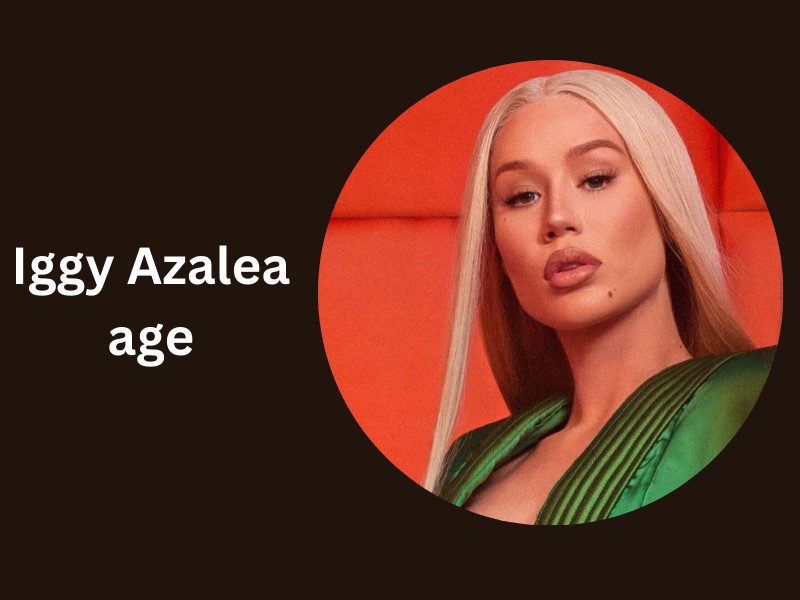
Introduction: Iggy Azalea Age
Iggy Azalea is one of the most discussed and influential female rappers of the 21st century. Known for her distinctive voice, bold style, and unabashed confidence, she has captivated millions of fans around the world. Central to any conversation about Iggy Azalea is her age, a detail that often sparks curiosity because it intersects with her rise in a genre traditionally dominated by artists significantly older or rooted in American hip‑hop culture. Iggy Azalea was born Amethyst Amelia Kelly on June 7, 1990, which means she celebrated her 35th birthday in June 2025 and remains one of the most dynamic performers in contemporary music at 35 years old in early 2026. Her age tells a story of transition—from a young girl with big dreams in Australia to a global rap sensation influencing music and culture internationally.
Growing up, Iggy Azalea’s age positioned her between two worlds: the youthful energy of formative years and the matured perspective that allowed her to write lyrics about ambition, conflict, fame, love, heartbreak, and empowerment. This article will explore not only her age but how that age shaped her journey, her foundational biography, the major milestones of her career, personal experiences and transformations, and her cultural impact.
Table of Contents
Iggy Azalea Wiki Bio
| Field | Details |
|---|---|
| Full Name | Amethyst Amelia Kelly |
| Stage Name | Iggy Azalea |
| Date of Birth | June 7, 1990 |
| Age | 35 years (as of 2026) |
| Place of Birth | Sydney, New South Wales, Australia |
| Nationality | Australian |
| Occupation | Rapper, Singer, Songwriter, Model |
| Genres | Hip Hop, Pop Rap, Trap |
| Instruments | Vocals |
| Years Active | 2011–present |
| Labels | Island Records, Def Jam, Virgin EMI |
| Notable Works | The New Classic, Reclassified, Survive the Summer, In My Defense |
| Hit Singles | “Fancy”, “Black Widow”, “Work”, “Team” |
| Early Life | Born and raised in Mullumbimby, Australia. Moved to the U.S. at age 16 to pursue music career. |
| Career Start | Released mixtapes in early 2010s, gained attention with Ignorant Art (2011). |
| Breakthrough | Debut album The New Classic (2014), hit single “Fancy” topped charts. |
| Awards | Multiple Billboard Music Awards nominations, MTV Video Music Awards nominations, American Music Awards nominations |
| Personal Life | Open about challenges with fame, relationships, and career pressures. |
| Social Media | Active on Instagram, Twitter, TikTok |
| Net Worth | Estimated $6–8 million (approximate as of 2026) |
Early Life and Beginnings
Amethyst Amelia Kelly was born on June 7, 1990, in Sydney, New South Wales, Australia. She grew up in the suburb of Mullumbimby, a small coastal town known for its creative spirit. Her unique birth name, Amethyst, reflects her parents’ artistic sensibilities and a willingness to embrace individuality. From an early age, she showed signs of creativity and a strong desire to escape traditional expectations. Like many children born in the early 1990s, she grew up with music as a central part of her environment, exposed to pop, hip‑hop, R&B, and underground sounds. But what distinguished her from peers was how seriously she took those influences. She didn’t merely enjoy music—she wanted to make music and be part of its culture.
Her upbringing was not without challenges. Her parents separated when she was young, and facing family instability taught her early lessons about independence. Rather than being held back by adversity, Iggy’s age at these pivotal moments meant she absorbed these experiences as fuel for her ambition. By her mid‑teens, she already knew she wanted something more than small‑town life.
The Move to the United States
At the age of 16, Iggy Azalea made the bold decision to leave Australia and move to the United States in pursuit of her music dreams. This was a defining moment: an age traditionally associated with high school, friends, and growing up at home, became the age at which she pursued her dreams fearlessly and alone. Moving across the world at such a young age speaks volumes about her determination and confidence. It’s a choice that wouldn’t just define the trajectory of her career, but also shape her personal life in profound ways.
In the U.S., she faced the challenge of building her career from scratch. With limited industry connections and minimal financial resources, she worked tirelessly to break into the rap world. Her youth meant long nights, rigorous performances, and a steep learning curve. As a teenage rapper entering a predominantly American hip‑hop scene, she had to prove her talent and authenticity in spaces where outsiders were often met with skepticism.
Early Career and Mixtape Success
During her late teens and early twenties, Iggy Azalea began developing her artistic identity. Between 2007 and 2011, she released mixtapes that showcased her lyrical style, confident delivery, and unapologetic ambition. These early works, including Ignorant Art (2011), were raw, honest, and reflective of her age—rooted in ambition, risk‑taking, and youthful energy. At 21, she was already writing and performing lyrics with the confidence of someone much older. Her early projects hinted at the star she was becoming.
Her age during this period placed her among a new generation of artists pushing boundaries. She wasn’t a seasoned veteran with decades of experience, but her lyrical audacity, combined with her fearless attitude, allowed her to stand out. Critics and fans began to take notice, and her early buzz became the foundation upon which her later commercial success would be built.
Breakthrough with “The New Classic”
Iggy Azalea’s major breakthrough came with her debut studio album, The New Classic (2014), released when she was 23 years old. The album’s success marked a major turning point in her career. It was an era when women in rap were fighting for space, and Iggy’s age—young but confident—played a part in her fresh appeal.
The New Classic featured standout tracks that would become staples of her career, most notably the singles “Fancy” featuring Charli XCX and “Black Widow” featuring Rita Ora. “Fancy” became a cultural phenomenon, topping charts and dominating radio playlists. For many listeners, that song was their first introduction to Iggy Azalea. With her slick verses, catchy hooks, and bold personality, she became a household name.
What was remarkable was that at just 23, she had already reached an apex many artists chase for years. Her age was frequently referenced in media coverage—not as a limitation, but as proof that she was a prodigy in her field. Her success as a young female rapper, especially one from Australia navigating U.S. hip‑hop, challenged norms and expectations in the industry.
Media Spotlight and Scrutiny
Success brought not only praise but also intense media scrutiny. As Iggy Azalea’s fame grew, so did the conversations about her identity, voice, and even her age. In the social media era, every artist is subject to intense public evaluation, and Iggy was no exception. Critics often questioned her legitimacy as a rapper because she was not American, because of her style, or simply because she was young and visibly ambitious.
Her age became a focal point in these discussions. Some commentators emphasized that at 23, she had achieved more than some rappers achieve in decades. Others used her age to unfairly critique her maturity or artistry. Through it all, she remained resilient. Her age allowed her to evolve, learn, and respond to criticism with new music, performances, and reinventions.
Continued Musical Evolution
Following her early commercial success, Iggy Azalea continued to release music that demonstrated growth. Projects like Reclassified (2014), Survive the Summer (2018), and In My Defense (2019) reflected different chapters in her life. Through these releases, she navigated themes of love, heartbreak, fame, resilience, and maturity. Her age during these periods—from her mid‑20s into her early 30s—offered a lens through which fans could witness her personal and artistic evolution.
As an artist in her late 20s and early 30s, she gained a deeper perspective on life beyond the rapid fame of her early career. This shift in age brought a richer understanding of relationships, personal struggles, and industry pressures. It also influenced her musical style, which grew more nuanced and reflective over time.
Personal Life and Public Moments
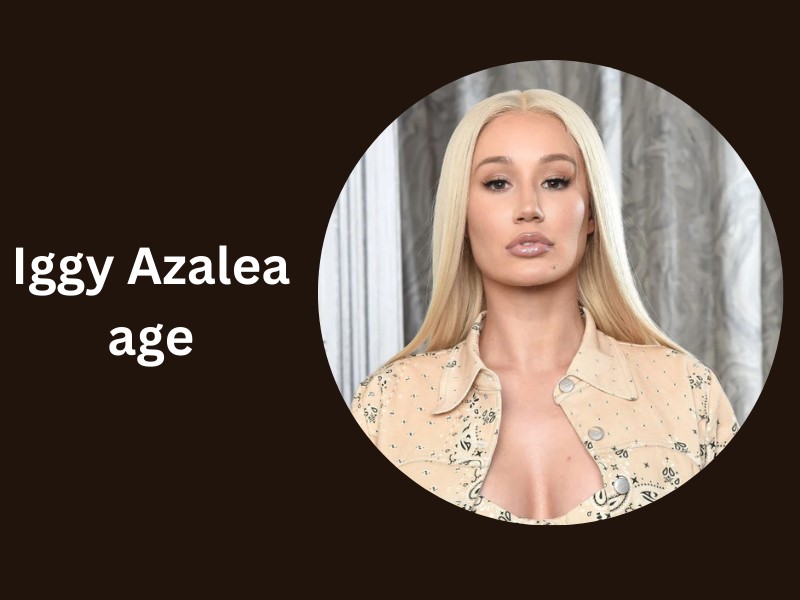
Iggy’s personal life has regularly intersected with public curiosity. Relationships, friendships, and personal decisions have often been topics of media coverage, sometimes overshadowing her artistry. Her age played a role in these narratives because the public often assesses artists differently at different life stages. A decision made in one’s early 20s might be celebrated as daring, while a similar choice in one’s 30s might be interpreted as mature or reflective.
Throughout her life, she has been candid about the challenges of fame, the pressure to maintain relevance, and the toll that public scrutiny can take. Her age at various turning points in her personal life—such as relationships or career shifts—served as a window into how she approached those experiences. As she matured, her perspective on success, failure, and personal fulfillment evolved, demonstrating that age can be as powerful a teacher as industry experience.
Iggy Azalea’s Influence and Legacy
Now in her mid‑30s, Iggy Azalea’s legacy continues to grow. While music remains her primary platform, her influence extends into fashion, culture, and social commentary. Her age has allowed her to remain relevant across different eras of music consumption—from early YouTube and mixtape culture to streaming dominance and social media.
Artists often face the challenge of staying relevant as musical trends change rapidly. That Iggy has sustained attention into her 30s speaks to her adaptability, creativity, and understanding of her own identity. Instead of being confined by her age, she has used it as a means to evolve, explore new artistic directions, and inspire emerging artists who see her as a model of persistence and reinvention.
Reflections on Age and Artistic Identity
Age in the music industry is often framed in terms of youth and novelty, but Iggy Azalea’s career highlights that age can be an asset. From her beginnings as a determined teenager in Australia, to her international success in her early 20s, to her reflective and mature work in her late 20s and 30s, her age has marked distinct chapters of growth rather than limitations.
Artists often struggle with the passage of time, especially in genres that value novelty and youth. Iggy’s ability to navigate these pressures while maintaining artistic integrity reveals a core truth: age is not merely a number—it is a narrative thread that connects an artist’s past, present, and future. In her case, that thread tells a story of relentless ambition, adaptability, and resilience.
Conclusion
Iggy Azalea’s age—35 years old in 2026—is more than a biographical detail. It is a lens through which we can understand her journey from an Australian teenager with dreams of hip‑hop stardom to an internationally recognized artist who reshaped conversations about women in rap. Her age marks stages of ambition, breakthrough success, artistic evolution, and personal growth.
Through her music, public appearances, and personal reflections, Iggy has shown that age can be both a foundation and a catalyst for reinvention. She stands as a testament to the idea that ambition paired with resilience can transcend cultural boundaries and industry expectations. Whether she is remembered for club anthems, groundbreaking music videos, or her influence on new generations of artists, Iggy Azalea’s age will always be a central part of her story—anchoring her legacy in both time and cultural impact.