Introduction: What is a Zero Waste Lifestyle
In recent years, environmental sustainability has become one of the most critical topics worldwide. Among the various movements aimed at protecting the planet, the zero waste lifestyle has gained significant attention. But what exactly is a zero waste lifestyle? At its core, a zero waste lifestyle is a philosophy and a practice that encourages individuals to minimize their waste as much as possible, aiming to send little to nothing to landfills or incinerators. It is about rethinking how we consume, purchase, and dispose of everyday items, encouraging a sustainable approach to living that reduces environmental harm and promotes resource efficiency. By adopting this lifestyle, people contribute to reducing pollution, conserving natural resources, and mitigating climate change.
Table of Contents
Understanding the Concept of Zero Waste
The zero waste concept goes beyond simply recycling. While recycling is important, zero waste focuses on preventing waste creation in the first place. It promotes the idea of designing systems and behaviors that eliminate unnecessary waste production. The philosophy stems from the “reduce, reuse, recycle” principle, emphasizing reduction first, reuse second, and recycling as a last resort. Zero waste lifestyle encourages individuals and communities to take responsibility for the environmental impact of their daily choices. By thinking carefully about what we consume and how we dispose of items, it is possible to drastically reduce waste, save money, and foster a healthier planet.
Origins of the Zero Waste Movement
The zero waste movement originated in the late 20th century as a response to growing concerns about landfill overflows, plastic pollution, and unsustainable production practices. The concept gained momentum in countries like Japan, where strict waste separation rules and innovative recycling techniques demonstrated that waste reduction is achievable. Over the years, environmental organizations worldwide began promoting zero waste principles, encouraging governments, businesses, and individuals to adopt strategies that minimize waste and promote circular economies. Today, it has evolved into a global lifestyle choice, with influencers, environmentalists, and everyday people advocating for a more sustainable way of living.
Key Principles of a Zero Waste Lifestyle
Adopting a zero waste lifestyle involves more than just avoiding plastic bags or using reusable containers. It requires a comprehensive approach to consumption and disposal. There are several key principles that guide zero waste living:
1. Refuse
The first principle of zero waste is learning to refuse items that are unnecessary or harmful to the environment. This could include single-use plastics, excessive packaging, or promotional freebies. Refusing not only reduces waste but also challenges the culture of overconsumption and unnecessary purchases.
2. Reduce
Reducing waste means consciously limiting the items you buy and use. This involves choosing high-quality, long-lasting products over disposable alternatives. By reducing consumption, individuals can decrease the amount of waste generated and lessen their environmental footprint.
3. Reuse
Reusing products is a fundamental part of zero waste living. This principle encourages people to find new uses for items, repair broken goods, and donate or sell items instead of throwing them away. Reuse prolongs the life of products and prevents them from becoming waste prematurely.
4. Recycle
While recycling is often seen as the primary solution to waste, in the zero waste framework, it is considered a last resort. Recycling is important but energy-intensive and not always efficient. Therefore, it should complement the efforts to refuse, reduce, and reuse, not replace them.
5. Rot
Composting organic waste such as food scraps and yard debris is an essential principle in zero waste living. Rotting or composting these materials turns them into nutrient-rich soil instead of sending them to landfills, reducing methane emissions and closing the loop in the natural lifecycle.
Practical Steps to Adopt a Zero Waste Lifestyle
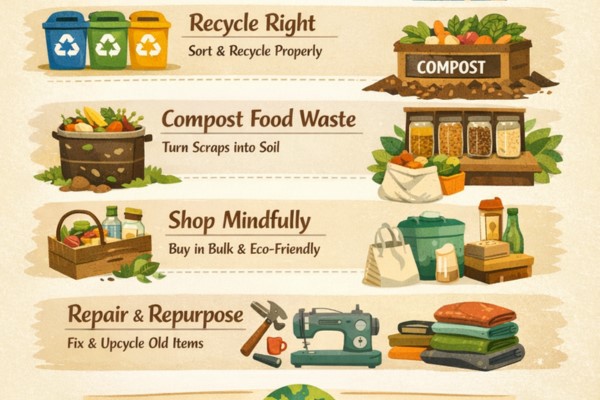
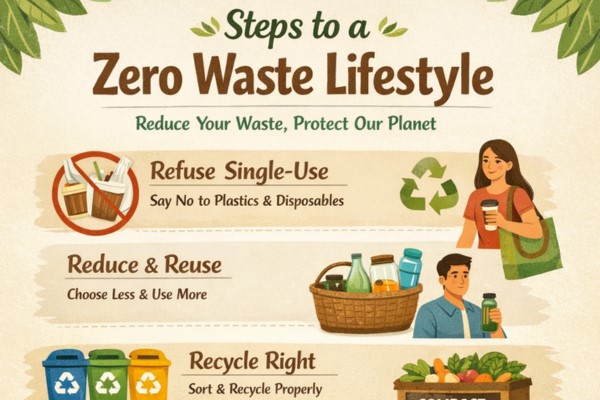
Transitioning to a zero waste lifestyle can seem challenging at first, but small, consistent actions can make a significant difference. The key is to make gradual changes and adopt practices that are sustainable in the long term. Here are some practical steps:
Reduce Single-Use Items
One of the simplest ways to start a zero waste journey is by eliminating single-use items. This includes plastic bags, disposable cutlery, paper towels, and water bottles. Switching to reusable alternatives such as cloth bags, stainless steel bottles, and washable cloth napkins can significantly reduce waste over time.
Mindful Shopping
Adopting a zero waste lifestyle also involves mindful shopping. This means buying only what you truly need, choosing products with minimal packaging, and prioritizing items made from sustainable or recycled materials. Supporting local markets and bulk stores can also help reduce packaging waste.
Home Composting
Organic waste constitutes a large portion of household trash. Composting food scraps, coffee grounds, eggshells, and yard waste can reduce landfill contributions while creating nutrient-rich compost for gardening. Many cities now provide composting bins or services, making it easier for individuals to manage organic waste.
DIY and Upcycling
Instead of discarding old or broken items, consider repurposing or upcycling them. Clothing can be transformed into cleaning rags, jars can become storage containers, and broken furniture can be repaired. DIY projects not only reduce waste but also encourage creativity and resourcefulness.
Minimalist Approach
Adopting a minimalist mindset complements a zero waste lifestyle. By focusing on quality over quantity and valuing experiences over material possessions, individuals can reduce clutter, prevent unnecessary purchases, and live more sustainably.
Benefits of a Zero Waste Lifestyle
Living a zero waste lifestyle offers numerous environmental, social, and personal benefits. These benefits reinforce why more people are adopting this approach in their daily lives.
Environmental Benefits
The most obvious benefit is the positive impact on the environment. By reducing waste, individuals help decrease landfill overflow, reduce greenhouse gas emissions, and conserve natural resources. Less plastic and packaging waste means less pollution in oceans, rivers, and landscapes, protecting wildlife and ecosystems.
Financial Savings
Although zero waste products can sometimes be more expensive upfront, the lifestyle often leads to long-term financial savings. Reusable products, bulk shopping, and reducing unnecessary purchases help lower overall expenses. Composting food waste can also reduce grocery costs by making use of leftovers and growing homegrown produce.
Health Benefits
Many zero waste practices promote healthier living. Choosing fresh, unpackaged foods, avoiding processed items with excess packaging, and using natural cleaning products reduce exposure to harmful chemicals. Home gardening and composting also provide opportunities for physical activity and engagement with nature.
Social Impact
A zero waste lifestyle encourages community engagement. People often share resources, participate in local clean-up events, and support sustainable businesses. These activities foster a sense of responsibility, connection, and shared purpose, contributing to stronger, environmentally conscious communities.
Challenges in Adopting a Zero Waste Lifestyle
Despite its benefits, transitioning to a zero waste lifestyle can be challenging. Awareness, accessibility, and convenience are key factors that influence adherence.
Accessibility Issues
Not all communities have access to bulk stores, refill stations, or sustainable products. Limited availability of zero waste alternatives can make the transition difficult, especially in remote or underdeveloped areas.
Cultural and Social Norms
Modern lifestyles and cultural habits often rely heavily on disposable items. Breaking these norms can be challenging, especially when social pressure and convenience favor single-use products.
Time and Effort
Zero waste practices often require planning, effort, and sometimes additional time. For example, shopping in bulk, making DIY products, and composting require dedication. However, with consistent practice, these actions can become routine and increasingly manageable.
Zero Waste in Different Areas of Life
A zero waste lifestyle can be applied to various aspects of daily living. Integrating the principles into multiple areas ensures a holistic approach to sustainability.
Zero Waste Kitchen
The kitchen is one of the primary sources of household waste. Adopting zero waste practices in the kitchen involves using reusable containers, composting food scraps, buying in bulk, and avoiding products with excessive packaging. Meal planning and using leftovers creatively further reduce waste.
Zero Waste Bathroom
Bathrooms can generate significant waste through disposable hygiene products, packaging, and cleaning supplies. Switching to reusable items such as menstrual cups, bamboo toothbrushes, and refillable soap dispensers reduces environmental impact. DIY natural cleaning products also minimize chemical use and packaging waste.
Zero Waste Fashion
Fast fashion contributes heavily to waste and pollution. A zero waste approach to fashion involves choosing sustainable, high-quality clothing, buying second-hand, and repurposing old garments. Avoiding trends that encourage excessive consumption also promotes mindful, long-lasting fashion choices.
Zero Waste Travel
Travel and commuting can also align with zero waste principles. Carrying reusable water bottles, utensils, and shopping bags, avoiding disposable items during travel, and choosing eco-friendly transport options reduce environmental impact. Planning trips to minimize waste and supporting sustainable tourism further contribute to the zero waste lifestyle.
Community and Global Impact
While individual efforts are important, zero waste living also has a broader impact when adopted collectively. Communities, businesses, and governments play a vital role in supporting zero waste initiatives. Policies encouraging recycling, sustainable packaging, and waste reduction programs amplify the effects of personal actions. Collaborative efforts lead to cleaner cities, healthier ecosystems, and a more sustainable global economy.
Corporate Responsibility
Businesses are increasingly recognizing the importance of sustainability. Companies are implementing zero waste policies, reducing packaging, and offering refillable or recyclable products. Consumer demand for eco-friendly options encourages further corporate accountability, creating a cycle of sustainable consumption.
Policy and Regulation
Government policies can drive large-scale adoption of zero waste principles. Bans on single-use plastics, incentives for sustainable packaging, and investment in recycling infrastructure are examples of how regulation can support environmental goals. Public awareness campaigns also educate communities about sustainable practices.
Steps to Start a Zero Waste Lifestyle Today
Starting a zero waste lifestyle may seem overwhelming, but even small steps can make a difference. Here’s how to begin:
- Assess Your Waste: Take note of the items you frequently discard and identify opportunities to reduce or replace them.
- Start Small: Focus on one area, such as your kitchen or bathroom, and gradually expand your efforts.
- Invest in Reusables: Replace disposable items with reusable alternatives.
- Compost: Begin composting food waste to reduce landfill contributions.
- Shop Mindfully: Choose products with minimal packaging, buy in bulk, and prioritize sustainability.
- Educate and Share: Spread awareness, engage with like-minded communities, and inspire others to adopt zero waste practices.
By taking these steps, anyone can gradually transition to a lifestyle that prioritizes sustainability, resource conservation, and environmental responsibility.
Conclusion
A zero waste lifestyle is not just a trend; it is a meaningful approach to living that addresses some of the most pressing environmental challenges of our time. By refusing unnecessary items, reducing consumption, reusing materials, recycling responsibly, and composting organic waste, individuals can significantly reduce their environmental impact. The lifestyle promotes financial savings, health benefits, and community engagement, creating a holistic approach to sustainable living. While challenges exist, incremental actions, mindfulness, and collective efforts can make zero waste living achievable for everyone. Ultimately, adopting a zero waste lifestyle is an investment in the health of the planet and the well-being of future generations, emphasizing that even small, thoughtful changes in daily life can lead to monumental environmental benefits.