
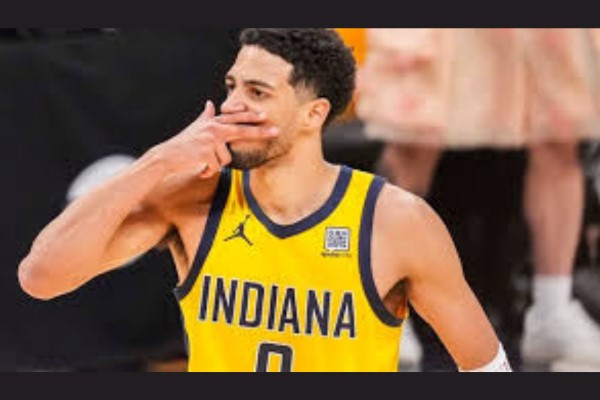
The Eastern Conference Semifinals reached a dramatic climax with a Game 7 showdown between the Indiana Pacers and the New York Knicks. Fans packed arenas, social media buzzed with predictions, and basketball analysts were eager to see which team could advance. The stakes were sky-high, and the atmosphere was electric. Ultimately, the Pacers emerged dominant, securing a 130–109 victory over the Knicks, showcasing one of the most efficient playoff performances in NBA history.
This article dives deep into the Knicks vs Pacers match player stats, analyzing individual performances, team efficiency, tactical approaches, and the broader implications of this decisive game. From record-breaking shooting to heroic individual efforts, every number tells a story about a game where preparation, health, and depth determined the outcome.
Table of Contents
Game Overview – A Night to Remember
Game 7 between the Knicks and Pacers was a true test of resilience, strategy, and endurance. Both teams entered the matchup with contrasting challenges.
Indiana Pacers – Prepared, Balanced, and Efficient
The Pacers came into Game 7 with confidence and clarity. Their roster was healthy, well-rested, and firing on all cylinders. From the tip-off, Indiana established dominance through sharp shooting, crisp passing, and coordinated defense.
- Shooting Efficiency: The Pacers recorded a 67.1% field goal percentage, the highest ever in an NBA playoff game. Every starter scored at least 17 points, showcasing team balance rarely seen in postseason history.
- Ball Movement: Indiana tallied 33 assists, demonstrating precise passing and smart shot selection. The team moved the ball fluidly, creating open opportunities for every scorer on the floor.
- Depth and Contribution: Beyond the starters, bench players like T.J. McConnell delivered critical points and playmaking, ensuring that fatigue did not slow down the team.
The Pacers’ execution was methodical, blending individual brilliance with collective synergy—a true example of basketball mastery under pressure.
New York Knicks – Courage Amidst Adversity
The Knicks faced a very different set of circumstances. Key players were unavailable or limited due to injuries, significantly impacting their ability to compete at full strength.
- Injuries: Julius Randle and Mitchell Robinson were sidelined, removing two core contributors from the lineup. OG Anunoby attempted a brief return but played only four minutes, leaving the Knicks short-handed.
- Impact Players: Jalen Brunson, the Knicks’ primary offensive engine, suffered a hand fracture in the third quarter after posting 17 points and 9 assists. His exit disrupted New York’s offensive rhythm and shifted momentum toward Indiana.
- Bench Heroics: Players like Donte DiVincenzo and Alec Burks stepped up under immense pressure. DiVincenzo scored an impressive 39 points with 9-of-15 shooting from three-point range, while Burks added 26 points off the bench, showing that the Knicks’ roster had depth, even if limited by injuries.
Despite these challenges, the Knicks demonstrated resilience, effort, and heart—qualities reflected in the player stats and team performance metrics.
Knicks vs Pacers Match Player Stats – Detailed Breakdown
Analyzing individual performances offers insight into why the game swung heavily in Indiana’s favor.
Indiana Pacers – A Balanced Attack
Tyrese Haliburton: 26 PTS, 6 AST, 6 3PT
Haliburton controlled the pace of the game with masterful decision-making and shooting efficiency. His six three-pointers provided the Pacers with consistent scoring bursts while his court vision facilitated fluid ball movement.
Andrew Nembhard: 20 PTS, 6 AST, 5 REB
Nembhard contributed across multiple categories, blending scoring, rebounding, and assists. His ability to find open teammates kept Indiana’s offense unpredictable and difficult to defend.
Pascal Siakam: 20 PTS, 4 REB, 4 AST
Siakam’s playoff experience was evident in crucial stretches. He scored inside, assisted teammates, and helped anchor Indiana’s defense—a critical factor in limiting Knicks’ scoring opportunities after Brunson exited.
Aaron Nesmith: 19 PTS (8-8 FG)
Nesmith delivered a perfect shooting night, converting every attempt from the field. His performance highlighted Indiana’s remarkable efficiency and exemplified the concept of taking high-quality shots within a structured offense.
Myles Turner: 17 PTS, 5 REB, 4 BLK
Turner provided a dual threat of interior scoring and rim protection. His defensive presence deterred Knicks’ drives, while his scoring contribution reinforced Indiana’s balanced offensive approach.
T.J. McConnell: 12 PTS, 7 AST
Even off the bench, McConnell’s playmaking helped sustain Indiana’s momentum. His assists ensured that all starters remained involved and efficient, reflecting Indiana’s team-oriented philosophy.
New York Knicks – Individual Brilliance Amidst Challenges
Donte DiVincenzo: 39 PTS, 9-15 3PT
DiVincenzo’s shooting display was remarkable, especially considering the absence of several Knicks stars. He kept New York in the game for as long as possible, scoring from distance and in transition.
Alec Burks: 26 PTS, 3 REB
Burks emerged as a crucial secondary scorer, delivering significant bench points. His ability to attack the rim and shoot from mid-range added versatility to the Knicks’ offense.
Jalen Brunson: 17 PTS, 9 AST (injured)
Before his injury, Brunson ran the offense efficiently, facilitating teammates and scoring when needed. His departure in the third quarter was a turning point, causing New York’s offensive rhythm to collapse.
Josh Hart: 10 PTS, 8 REB
Hart provided effort and toughness, contributing points and rebounds despite battling injuries. His fouling out late in the game limited his ability to influence the final outcome.
Isaiah Hartenstein: 0 PTS, 8 REB
Hartenstein’s rebounding efforts were notable, though he failed to contribute offensively. His presence helped keep New York competitive on the boards, but it was insufficient to counter Indiana’s shooting efficiency.
Team Stats – Efficiency and Execution
The broader team stats paint a vivid picture of the game’s narrative.
| Category | Pacers | Knicks |
|---|---|---|
| Field Goal % | 67.1% (53-79) | 42.4% (36-85) |
| 3-Point % | 54.2% (13-24) | 37.1% (13-35) |
| Assists | 33 | 22 |
| Rebounds | 33 | 28 |
| Turnovers | 12 | 8 |
Analysis of Stats
- Shooting: Indiana’s historic 67.1% shooting demonstrates elite offensive execution and shot selection, especially in a high-pressure Game 7 environment. The Knicks’ 42.4% indicates struggles in creating open looks and maintaining offensive flow.
- Three-Point Accuracy: The Pacers shot 54.2% from beyond the arc, a staggering number for postseason basketball. The Knicks managed 37.1%, respectable but not enough to match Indiana’s output.
- Assists and Ball Movement: The Pacers’ 33 assists reflect excellent teamwork and ball movement, while the Knicks’ 22 assists suggest a reliance on isolation plays after Brunson exited.
- Rebounding and Turnovers: Indiana maintained a slight edge in rebounding (33-28) and managed turnovers efficiently, ensuring their high-percentage shots translated into points.
Tactical Insights – Why Indiana Dominated
Pacers’ Offensive Strategy
The Pacers executed a well-structured offensive plan:
- Floor Spacing: Indiana consistently spread the floor, opening driving lanes and creating opportunities for shooters like Nesmith and Haliburton.
- Balanced Scoring: Each starter scored at least 17 points, preventing the Knicks from focusing defensive attention on any single player.
- Clutch Shooting: The Pacers maintained composure in high-pressure moments, converting critical shots to secure momentum.
Knicks’ Challenges
The Knicks faced tactical limitations due to injuries and lineup instability:
- Injured Stars: Missing Randle, Robinson, and limited Anunoby, the Knicks lost key scoring and defensive anchors.
- Disrupted Flow: Brunson’s injury forced the team to rely on isolation plays, reducing offensive efficiency.
- Limited Depth: While bench contributions were strong, they could not compensate fully for the absence of starters.
Context and Historical Significance
Pacers’ Record-Breaking Performance
- Field Goal Record: Indiana’s 67.1% is now the highest field goal percentage in NBA playoff history.
- Balanced Contributions: Having all starters score at least 17 points in a Game 7 is an unusual feat in postseason play.
Knicks’ Resilient Postseason Run
Despite the Game 7 loss, the Knicks demonstrated:
- Depth in Adversity: Bench players stepped up significantly.
- Individual Heroics: DiVincenzo’s 39-point performance will be remembered as one of the greatest postseason efforts for a Knicks reserve.
- Team Grit: Injuries challenged the team at every turn, yet the Knicks remained competitive until the final quarters.
What’s Next for the Teams
Indiana Pacers
The Pacers advance to the Eastern Conference Finals, where they will face the Boston Celtics. Key factors for success include:
- Maintaining shooting efficiency
- Utilizing depth to handle playoff intensity
- Relying on Haliburton and Siakam to lead in clutch moments
With a mix of emerging stars and experienced veterans, the Pacers appear poised to make a deep postseason run.
New York Knicks
The Knicks will regroup for the offseason, focusing on:
- Health: Recovering from injuries and strengthening roster depth
- Player Development: Young stars like DiVincenzo and Alec Burks showed promise that can be built upon
- Future Contention: With Brunson as a cornerstone, the Knicks have the foundation for future playoff success
Key Takeaways from Knicks vs Pacers Match Player Stats
- Indiana’s Historic Shooting: 67.1% FG and 54.2% 3PT shooting made the difference.
- Balanced Contributions: Every starter scoring 17+ points reflected superior teamwork.
- Knicks’ Injuries: Missing stars and Brunson’s exit drastically limited offensive options.
- Bench Efforts: DiVincenzo and Burks showed that New York had potential, even under duress.
- Momentum Shift: Injuries and Pacers’ efficient execution created a turning point in the third quarter.
This game was a clear illustration of how depth, health, and execution determine playoff outcomes.
Frequently Asked Questions (FAQs)
Who won Game 7 between the Knicks and Pacers?
The Indiana Pacers won 130–109, advancing to the Eastern Conference Finals.
What made the Pacers’ performance historic?
They set a playoff record with 67.1% shooting from the field, combined with balanced scoring and high-efficiency offense.
What happened to Jalen Brunson?
Brunson suffered a hand fracture in the third quarter after recording 17 points and 9 assists, ending his Game 7 contribution.
Who led the Knicks in scoring?
Donte DiVincenzo scored 39 points, while Alec Burks added 26 points off the bench.
What do the Knicks vs Pacers match player stats reveal?
They highlight Indiana’s efficiency, depth, and team execution, contrasted with New York’s heroic but limited performance due to injuries.
Final Thoughts
Game 7 between the Knicks and Pacers was a story of contrasts:
- Pacers: Clinical, balanced, and historic in shooting
- Knicks: Brave, resilient, but hampered by injuries
The knicks vs pacers match player stats tell the story of a team firing on all cylinders versus a team fighting against circumstance. Indiana moves on as a legitimate contender, while New York can draw hope from individual performances and grit.
For fans and analysts, this Game 7 will be remembered not just for the scoreline but for the historic feats, playoff drama, and the compelling narratives each player contributed. The Pacers’ efficiency and execution set a new benchmark, and the Knicks’ courage ensures that their core remains promising for future seasons.
Read More: Epic Chennai Super Kings vs Mumbai Indians Timeline: Legendary Rivalry, Thrilling IPL Finals & Record-Breaking Moments (2008–2025)